Start With the Right Timber
Start With the Right Timber
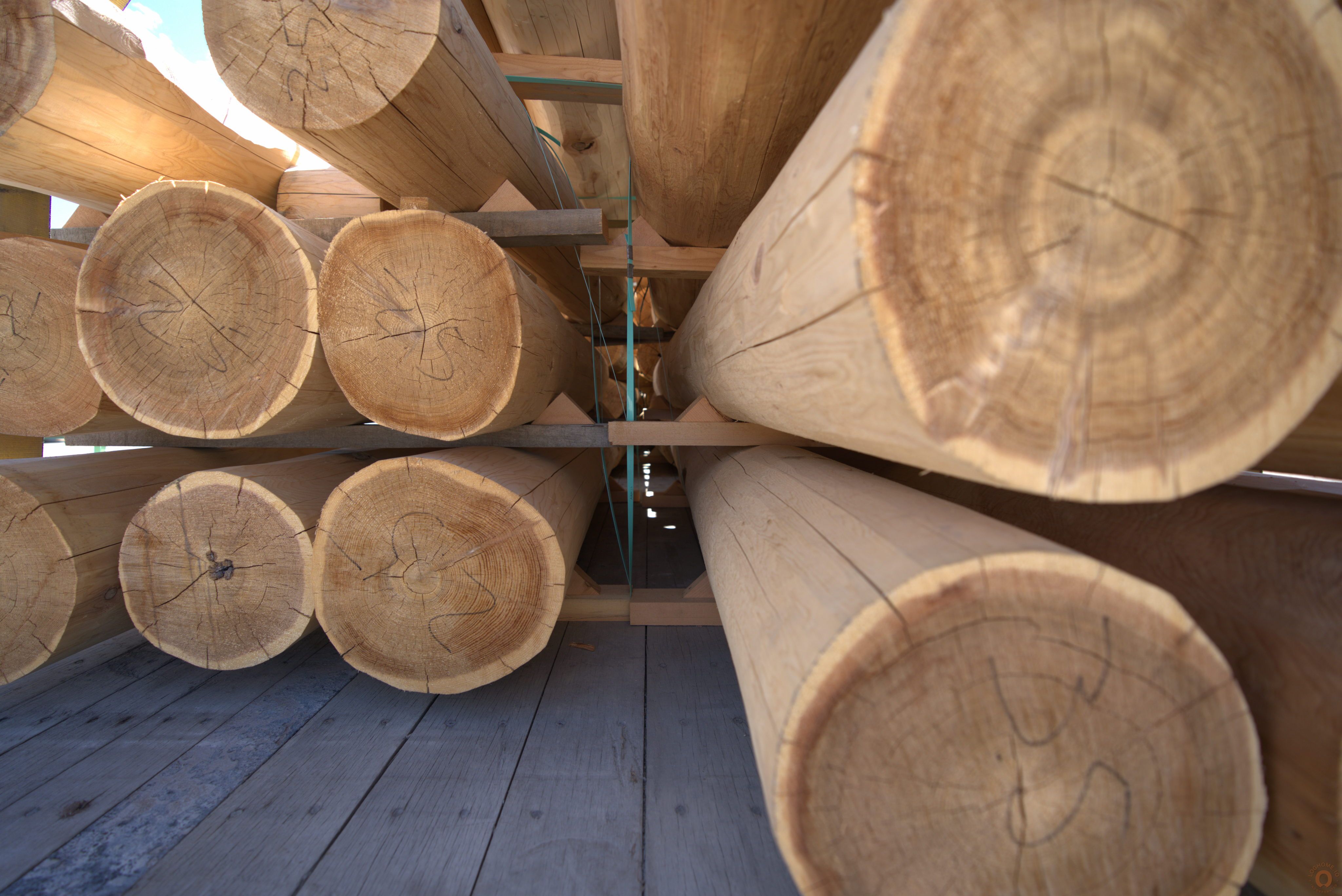
Before we can do anything with a log, we need the right log.
Diameter matters, but it is not the only thing we look at. Length, taper, sweep, knots and the overall shape of the tree all influence where a log can be used in the building.
We are not looking for identical logs. Trees do not grow to a manufacturing specification, and variation is expected.
One end may be larger than the other. A log may sweep in one direction, change shape along its length or have features that make one orientation better than another.
None of that makes the timber less useful. The important part is knowing what we have and using each log where it makes sense.
Prepare the Log, Not a Cylinder
Logs can arrive peeled or unpeeled. If necessary, they are peeled and prepared before scanning and manufacturing.
Preparation removes what needs to be removed for the manufacturing process. It does not mean turning the log into a standardized cylinder. The taper, sweep and individual character of the timber remain.
You do not have to buy the timber from us. Builders can supply their own logs, continue working with an existing timber supplier, or use suitable trees supplied by their customer.
If you already have a timber source you trust, keep using it. We can prepare, scan and manufacture those logs. If you need timber, we can supply the logs as well.
Your logs or oursSize Matters
Size Matters
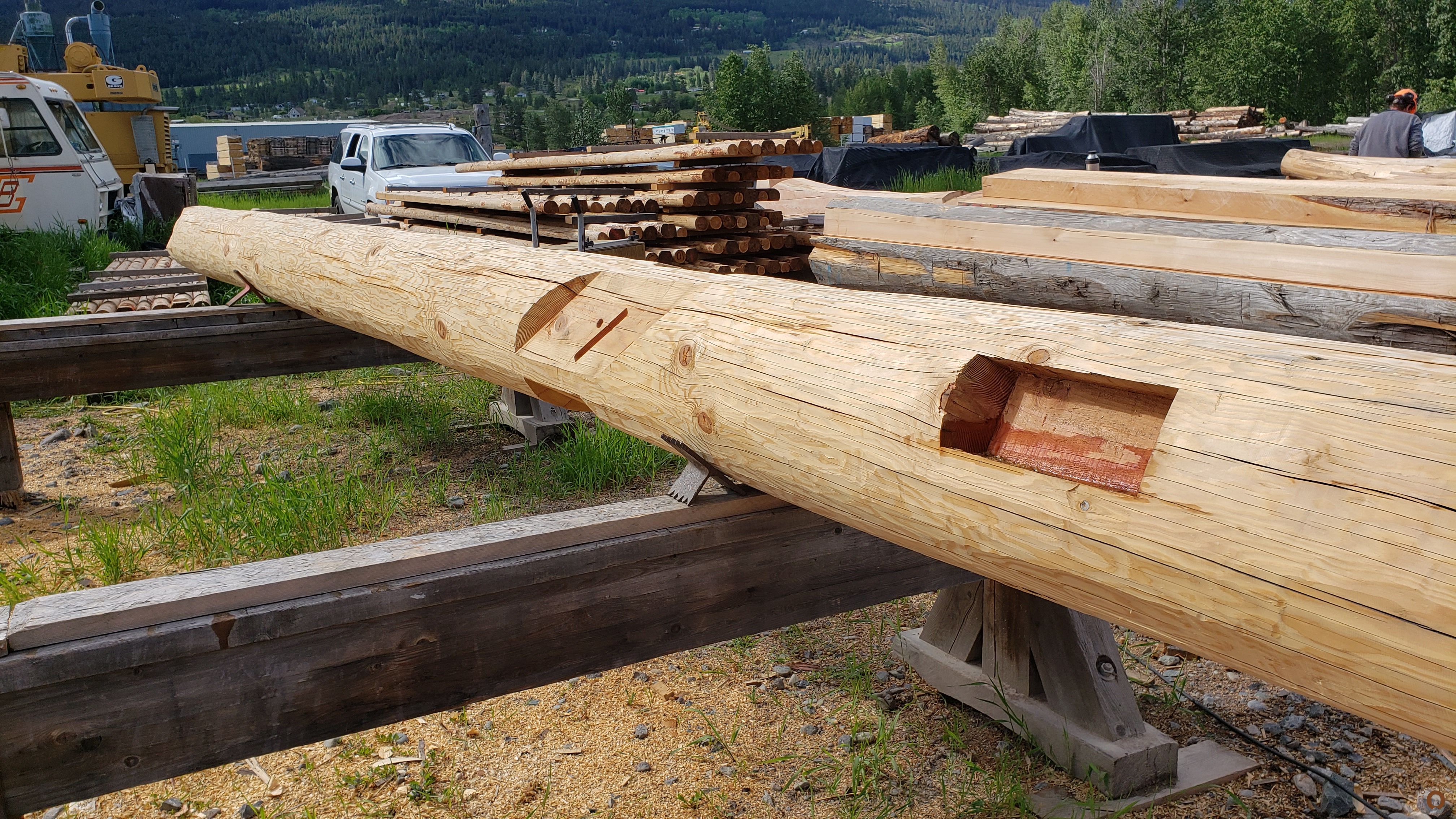
Because every log is different, not every log belongs everywhere. A particular diameter, taper or sweep may make one log better suited to a wall, post, beam or another part of the structure.
For wall construction we typically work with logs around 14 inches in diameter. Posts are typically around 16 inches.
We generally do not want to go much smaller. Smaller logs mean more courses are required to reach the same wall height, and there is less wood through the wall.
Going larger is a different story. We have machined logs up to 30 inches in diameter.
Larger logs give us more material to work with — and more wood in the finished wall.
Then We Measure What Is Actually There
Then We Measure What Is Actually There
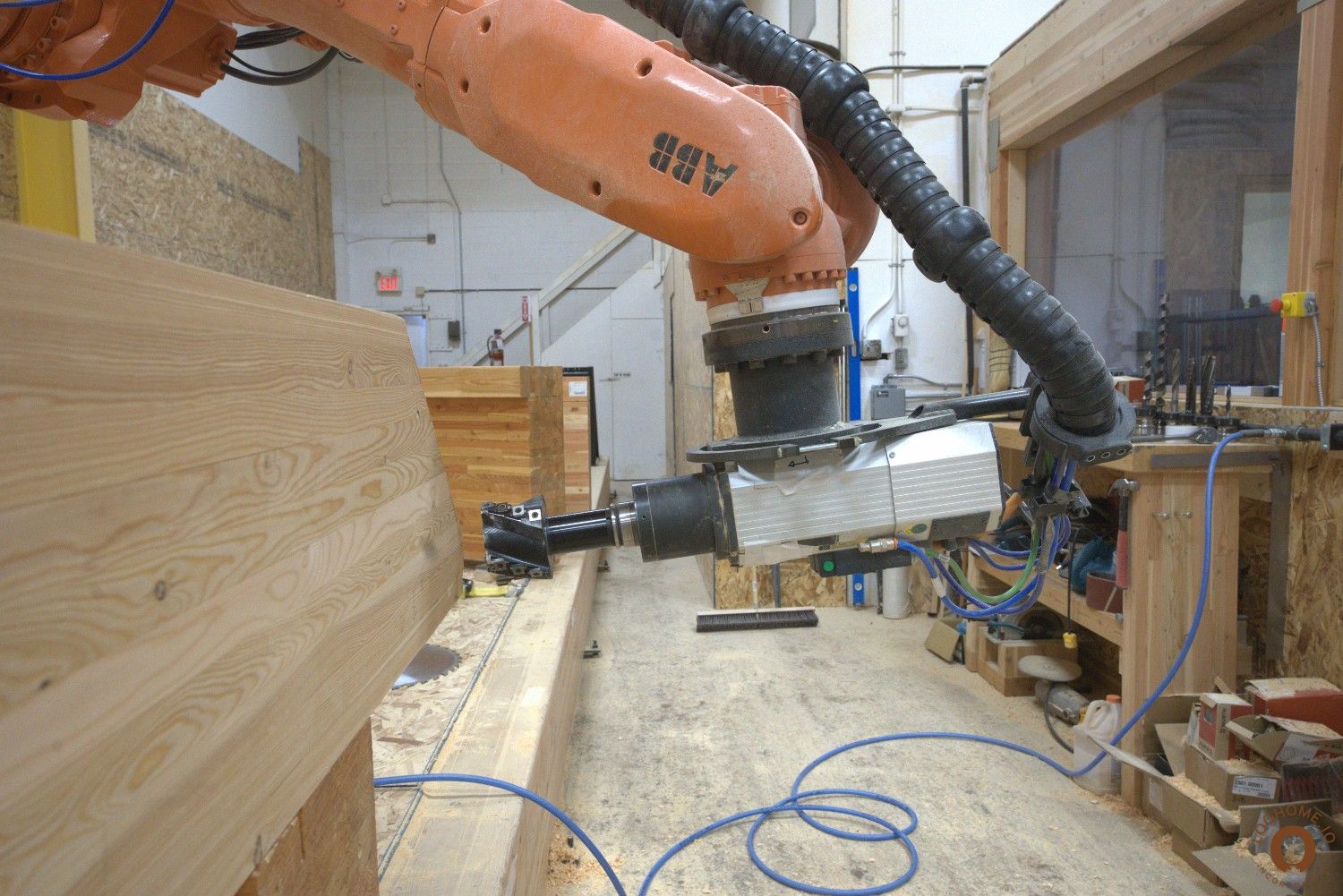
Once a log has been selected and prepared, we do not assume that it is straight, round or uniform.
We measure the log that is actually in front of us.
A nominal diameter is not enough when the surface itself determines the connection. We 3D scan the log so the digital process begins with measured geometry rather than an idealized cylinder.
The challenge is not making the log straight. The challenge is knowing exactly what shape it has.
From Surface to Digital Geometry
From Surface to Digital Geometry
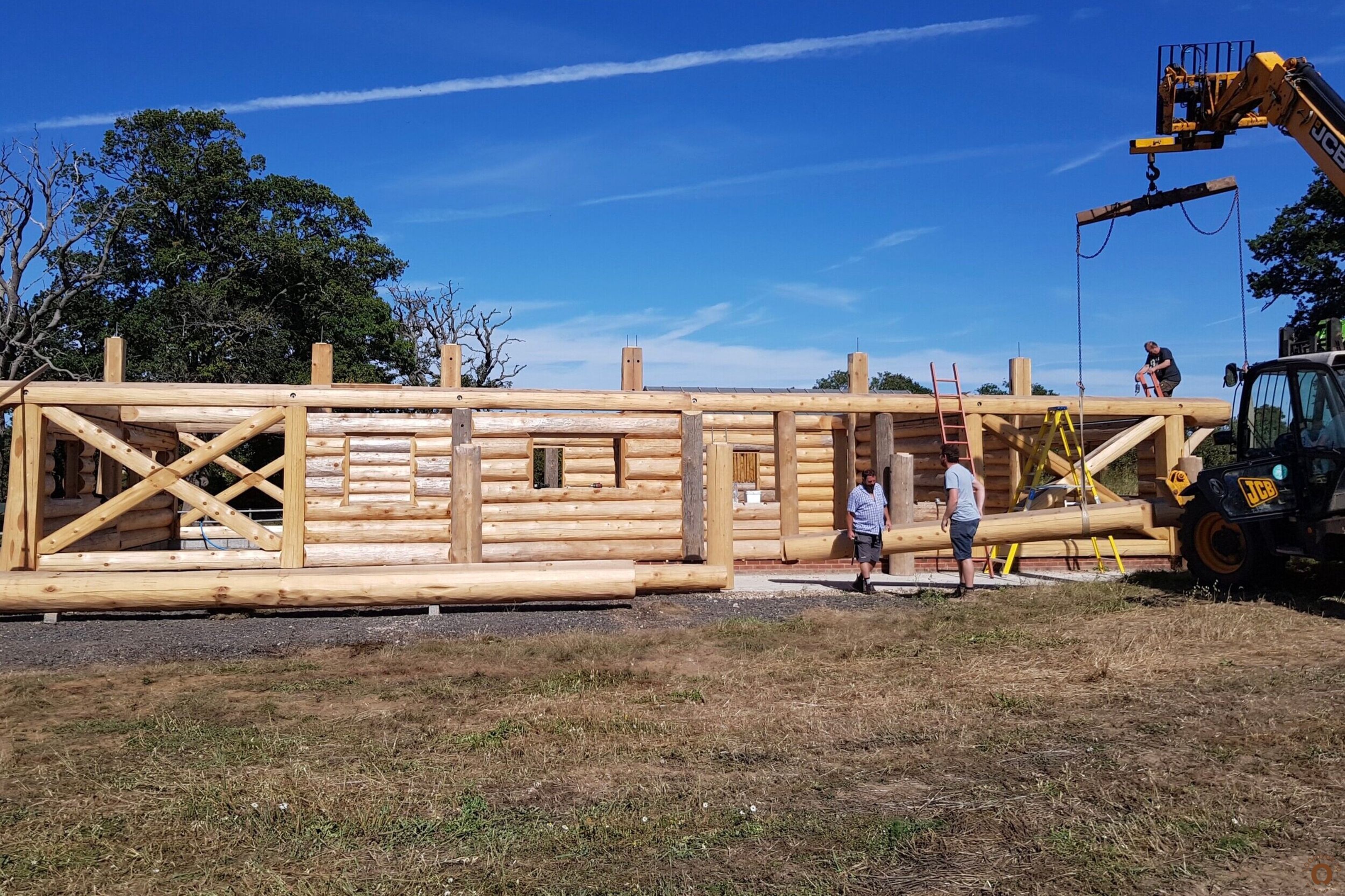
The scan captures the shape along the log: diameter changes, taper, sweep and local surface variation.
That measured geometry becomes the reference used by AbbyCam©.
Point clouds are interesting if you are a nerd. For the building, what matters is simpler: we now know the shape of the log well enough to work with it digitally.
Accuracy Has Context
Scanner specifications, calibration, surface conditions and the complete manufacturing chain all affect what accuracy means in practice.
A scanner specification is not the same thing as finished-part accuracy. We keep those numbers separate and publish the assumptions and measurements with them.
For the Nerds: Manufacturing AccuracyNext: What happens to the scan on the computer